
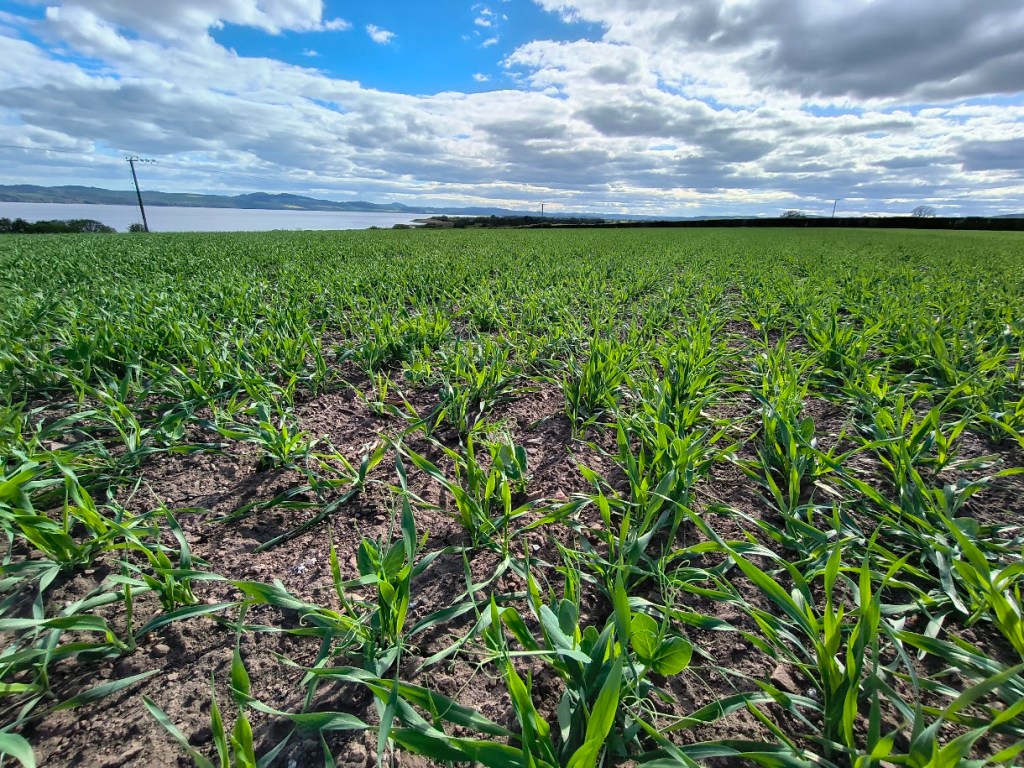
AgriLibra is an aggregator of cereal-legume intercrops providing premium low carbon grains, offering a profitable market option for regenerative cropping techniques.
Creating an accessible, equitable marketing opportunity for low carbon, low input arable intercrops to transform Scottish agriculture for the benefit of the farming community. In a novel business model aggregating intercrops as bulk mixed crop, the benefits of a new break crop option in rotation and increased biodiversity can be achieved without compromising streamlined, efficient production techniques in a modern farming system.
The potential effect on the industry cannot be understated as it will play a pivotal role in the drive for Net Zero in agriculture by 2040 whilst improving profitability for growers as part of a truly ‘just’ transition.

Originating from years of field trials on intercropping with combinations of legumes and cereals, the agroecology team at The James Hutton Institute have found that successful combinations of Barley & Pea can provide multiple agronomic benefits for the farmer in a Scottish context when compared to the Malting Barley standard:
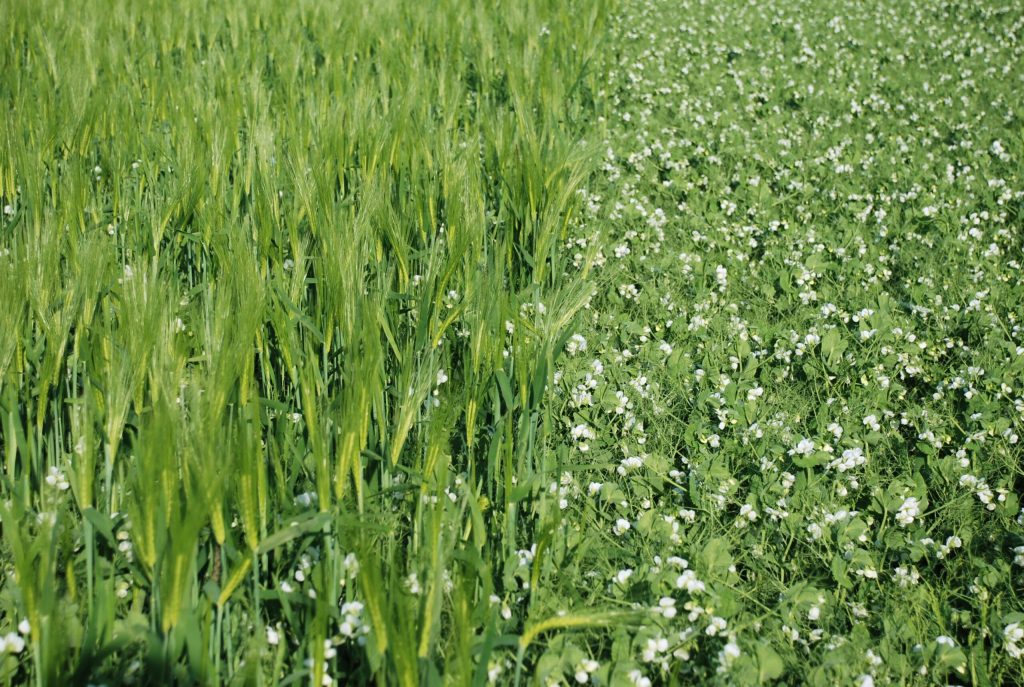
Reduction in N fertiliser + pesticide use by over 60% – lowering growing costs by £150+/ha
Yield increases of up to 30% over monocrop by Land Equivalent Ratio – consistently 5-7t/ha
Structured canopy for peas to bind & climb, minimising lodging at harvest
Benefits to biodiversity and enhanced ecosystem services with increased crop diversity
 AgriLibra at The James Hutton Institute